
Alberta Pushes for Independence With 302,000 Signatures
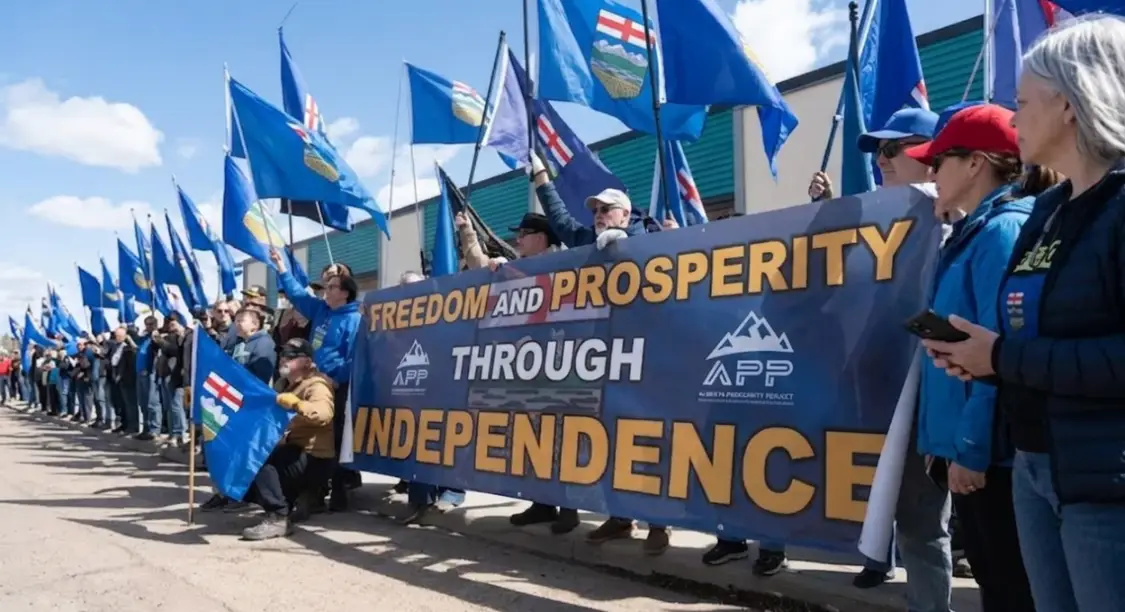
Alberta secessionists submitted over 302,000 signatures to election authorities on May 4 — far exceeding the threshold needed to trigger a provincial independence referendum as early as October 2026.
Key Takeaways
Alberta secessionists submitted 302,000 signatures — well above the 178,000 required to trigger a referendum.
A provincewide vote could take place as early as October 19, 2026.
Elections Alberta must verify signatures, but the process is stalled by a court ruling.
First Nations groups filed a legal challenge, saying separation violates their treaty rights.
Only about 30% of Albertans support full independence, polls show.
US Treasury Secretary Scott Bessent called Alberta a "natural partner" for the United States.
Alberta secessionists formally submitted nearly 302,000 signatures to election authorities in Edmonton on May 4, clearing the threshold needed to push for a referendum on breaking away from Canada — a move that could reshape the country's political landscape.
The submission, led by secessionist leader Mitch Sylvestre, exceeded the 178,000-signature requirement by a wide margin and sets the stage for a possible provincewide vote as early as October 19, 2026.
What the referendum would actually ask voters
If the measure reaches the ballot, Albertans would be asked a direct question: "Do you agree that the Province of Alberta should cease to be a part of Canada to become an independent state?"
Alberta Premier Danielle Smith has said she would move forward with the vote if the petition qualified — but she does not personally support independence from Canada.
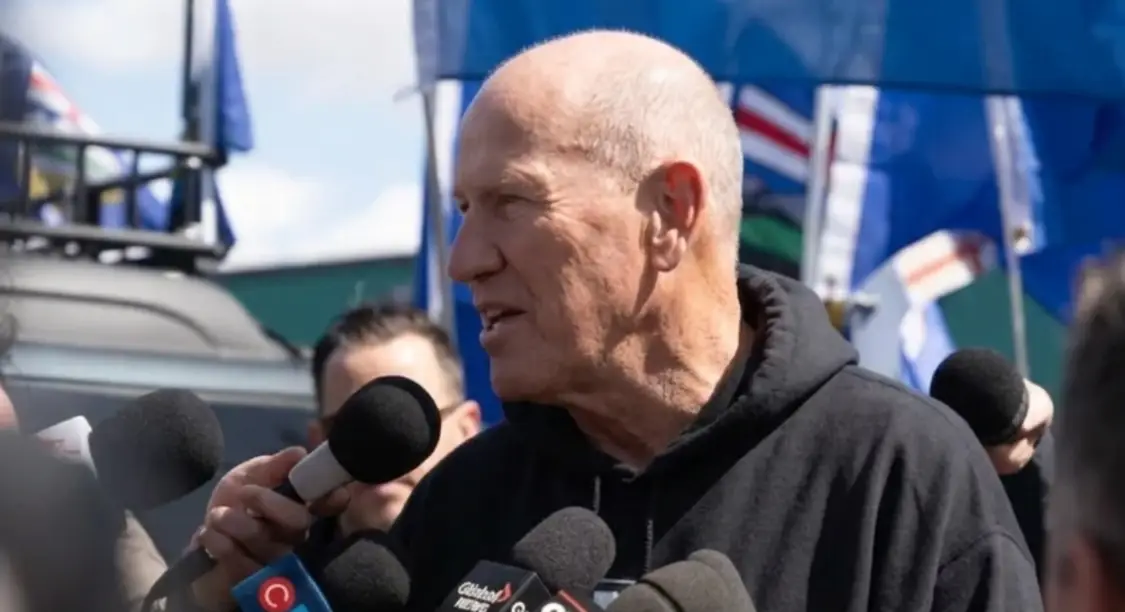
"This day is historic in Alberta history. It's the first step to the next step — we've gotten by Round 3, and now we're in the Stanley Cup final." — Mitch Sylvestre, secessionist leader, May 4, 2026
Signatures submitted but referendum not guaranteed
Collecting enough signatures does not automatically trigger a referendum.
Elections Alberta must first verify the petitioners' names — a process currently stalled by a court ruling issued on April 10.
Justice Shaina Leonard issued a monthlong stay on the certification of the independence petition following legal challenges from several First Nations groups. A decision on those challenges is expected later this week.
Signatures submitted: 302,000
Signatures required: 178,000
Certification stay issued: April 10, 2026 by Justice Shaina Leonard
Legal challenge filed by: several First Nations groups
Earliest possible referendum date: October 19, 2026
Current polling support for independence: approximately 30%
First Nations say separation violates treaty rights
Indigenous groups have filed a formal legal challenge arguing that Alberta's separation from Canada would breach their treaty rights — rights that were established with the federal government, not the province.
A ruling in favour of the First Nations challengers could effectively end the referendum process before it reaches voters.
Why Alberta wants out — oil, politics and frustration with Ottawa
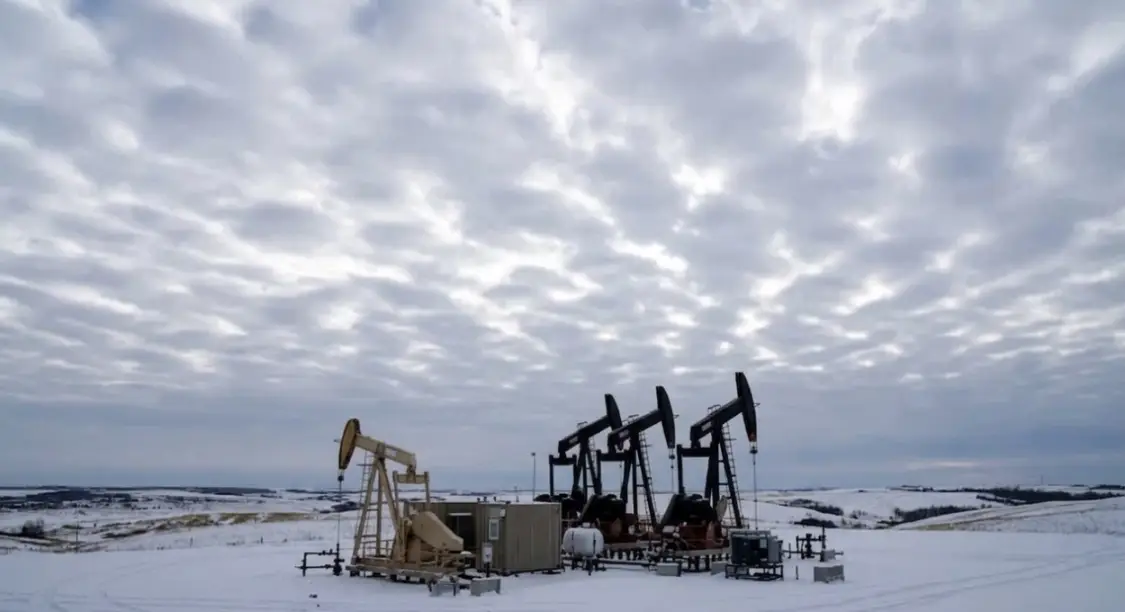
Pro-independence sentiment has been part of Alberta's political culture for decades, rooted in the feeling that the oil-rich province of five million people is economically and culturally distinct from the rest of Canada.
Alberta contributes heavily to Canada's national economy through its fossil fuel industry, yet many residents feel that environmental regulations and climate policies made in Ottawa have hampered their primary industry without adequate consultation.
"We're not like the rest of Canada. We're 100 percent conservative. We're being ruled by Liberals who don't think like us. They're trying to shut down our industry." — Mitch Sylvestre, secessionist leader
The US factor — Washington calls Alberta a "natural partner"
Expressions of support from the Trump administration have added a charged dimension to the debate. US Treasury Secretary Scott Bessent publicly described Alberta as a "natural partner" for the United States in January.
"Alberta has a wealth of natural resources, but they won't let them build a pipeline to the Pacific. I think we should let them come down into the US — the Albertans are very independent people." — Scott Bessent, US Treasury Secretary
Critics say those overtures from Washington are emboldening secessionist leaders and undermining Canadian national unity at a sensitive moment.
"The separatists are not elected members. They're just citizens of Canada residing in Alberta, and they actually formed delegations and are received by the highest levels of US administration. That must be very empowering to them." — Thomas Lukaszuk, former Deputy Premier of Alberta
Has any other Canadian province tried this before
Alberta is not alone in having a complicated relationship with federal Canada. Quebec's French-speaking majority has sustained a decades-long nationalist movement rooted in linguistic and cultural identity.
Quebec voters narrowly rejected independence in a 1995 referendum. A March 2026 poll found Quebecois secessionism at its lowest support level since that vote — though the secessionist Parti Québécois is polling strongly ahead of a provincial election later this year.
What critics are saying about the movement
Opposition to the secessionist push is strong among federalists and former officials alike.
"It stands for something that most of us Albertans and Canadians don't stand for. It's a form of treason." — Thomas Lukaszuk, former Deputy Premier of Alberta
Supporters, however, argue the movement reflects a permanent shift in Alberta's political identity — one that will not fade regardless of the referendum's outcome.
"I think this is going to be a permanent change in our political culture. The movement is not going to just disappear." — Michael Wagner, independent historian and independence supporter
What happens next
The immediate focus is on the court's ruling on the First Nations legal challenge, expected later this week. That decision will determine whether the signature certification process can proceed.
If cleared legally, a provincewide referendum could be held on October 19, 2026 — alongside broader votes on constitutional and immigration questions. Even a successful referendum vote would trigger a long and uncertain process of negotiations with the federal government.
Sign up for ContentNest
Join the ContentNest Community
Subscribe to receive our latest articles, trending stories, and weekly insights directly in your inbox.
By signing up, you agree to our Privacy Policy