Iran calls Hormuz control equal to atomic bomb
Iran compares Strait of Hormuz control to an atomic bomb, vowing to reshape the waterway's rules as US-Iran nuclear talks stall and hardliners block major concessions.
Key Takeaways
A senior Iranian official compared control of the Strait of Hormuz to possessing an atomic bomb.
Iran is still reviewing the latest US negotiating proposal — no breakthrough in sight.
Iranian hardliners are firmly blocking concessions on the nuclear programme and missile arsenal.
IRGC and US warships have exchanged fire over strait transit in recent days.
Iran's foreign minister faces internal calls for removal from the negotiating team.
Tehran is signalling a permanent shift in how it will govern the strategic waterway.
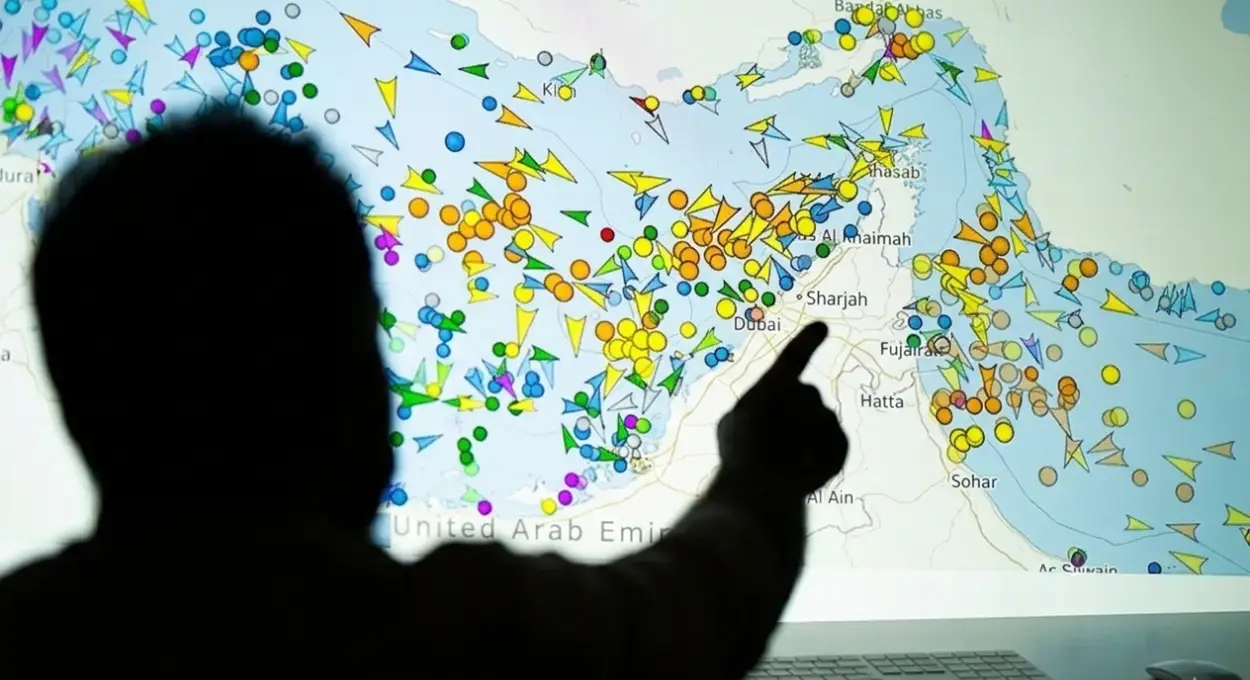
Iran's senior officials are publicly elevating the Strait of Hormuz to a strategic asset on par with its nuclear programme — warning that control of the waterway, through which roughly 20% of global oil flows, will not be surrendered under any negotiated settlement with the United States.
The statements come as Tehran continues reviewing Washington's latest ceasefire and nuclear proposal, with Foreign Ministry spokesperson Esmaeil Baghaei making clear on Saturday that Iran sets its own pace: "We do our own work, we don't pay attention to deadlines or timing."
~20% Global oil via Hormuz
2018 Trump exits JCPOA deal
2015 Original nuclear deal signed
"On the level of an atomic bomb"
Mohamad Mokhber, a senior adviser to Supreme Leader Ayatollah Ali Khamenei and former first vice president, made the most striking comparison yet — calling the strait a capability equal in strategic weight to a nuclear weapon.
"When you have a capability that can affect the entire global economy with a single decision, that is an enormous capability — on the level of an atomic bomb." — Mohamad Mokhber, senior Khamenei adviser
Mokhber said Iran had "neglected the blessing" of the strait for years and vowed that authorities would never relinquish the control gained through the current conflict. He said Iran will seek to alter the strait's governing framework through both international channels and domestic legislation.
Iran's formal position: sanctions become irrelevant
First Vice President Mohammad Reza Aref went further, claiming that Tehran's grip on the Strait of Hormuz will effectively neutralise US economic sanctions — including those targeting Iranian oil exports.
"We will certainly no longer be facing something called sanctions, because with the latest behaviour of Trump and the enemies, our right and view of the strait has been cemented." — Mohammad Reza Aref, First Vice President
'If it's unusable for us, it's unusable for all'
State media reinforced the doctrine with historical framing, broadcasting a decades-old speech by former President Akbar Hashemi Rafsanjani, in which he laid out Iran's long-standing policy on the strait with unusual clarity.
"If the Persian Gulf is unusable for us, we will make the Persian Gulf unusable for others — this has been our policy." — Akbar Hashemi Rafsanjani, former Iranian president (undated archive speech)
State television also drew a parallel to the 7th-century Battle of Uhud, warning that abandoning control of the strait — like archers who left a strategic pass against orders — would lead to Iran's defeat.
IRGC and US forces trade fire
The rhetoric is backed by active military confrontation. The IRGC and US warships have exchanged fire over transit rights in the strait in recent days, as Washington maintains a naval blockade of Iranian ports and weighs advancing its "Project Freedom" operations.
US officials insist a ceasefire reached last month remains in place — a claim the ongoing naval clashes put under serious strain.
Nuclear talks: hardliners draw the line
Inside Iran, the question of what to concede in negotiations with Washington is deeply contested. Hardliners — whose position has strengthened since the outbreak of conflict — are flatly opposed to giving ground on the nuclear programme, missile arsenal, or any core security issue.
Some hardline voices argue that even discussing nuclear enrichment is off the table, particularly given that several facilities were bombed by the US and Israel.
Ali Khezrian (Tehran MP, national security commission): Iran has not engaged in any nuclear negotiations — Trump's claims of a deal are a cover for battlefield defeats.
Mahdi Kharratiyan (pro-establishment analyst): Expecting a deal to lift all sanctions is "dreams and illusions" — Iran must pivot further toward China.
Mahmoud Nabavian (hardline MP): Called for Foreign Minister Araghchi's removal from the negotiating team, citing his role in the 2015 JCPOA deal.
Foreign minister under fire
Abbas Araghchi, Iran's foreign minister, returned from high-level meetings in Beijing last week but is facing growing internal criticism for his role in pursuing a negotiated settlement with Washington.
Hardline lawmaker Nabavian publicly demanded that negotiating team lead Mohammad Bagher Ghalibaf remove Araghchi — calling for the exclusion of anyone associated with the 2015 nuclear deal that Trump dismantled in 2018.
What this means for global markets
The Strait of Hormuz is the world's most critical oil chokepoint. Any sustained disruption — or the credible threat of one — sends immediate shockwaves through global energy prices and shipping insurance rates.
Iran's decision to frame the strait as a permanent strategic lever, rather than a temporary pressure tool, marks a qualitative shift in its geopolitical posture — one that markets and Western governments will be watching closely.
Sign up for ContentNest
Join the ContentNest Community
Subscribe to receive our latest articles, trending stories, and weekly insights directly in your inbox.
By signing up, you agree to our Privacy Policy