Iran Fires Missiles at US Navy Ships Near Qeshm Island
Iran launched ballistic missiles and drones at US Navy destroyers near Qeshm Island after American forces attacked an Iranian tanker, shattering the fragile ceasefire between Washington and Tehran.
Key Takeaways
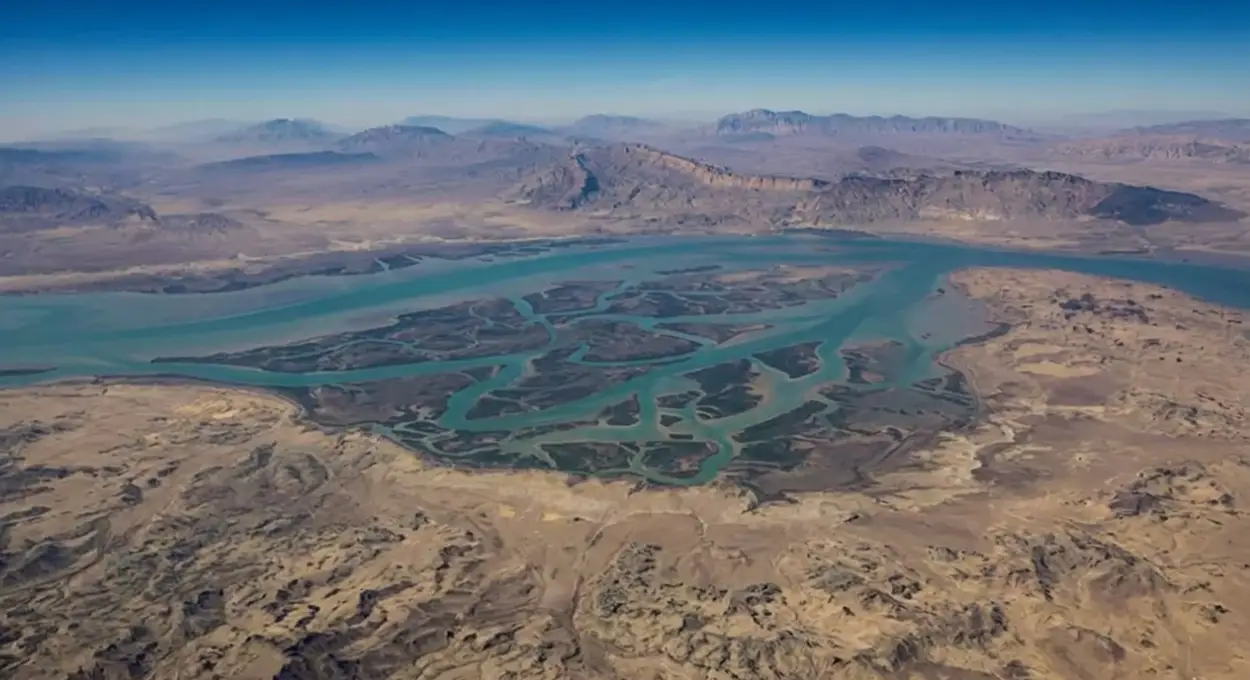
Iran's military struck US Navy destroyers with ballistic missiles, anti-ship cruise missiles, and armed drones near Qeshm Island.
Tehran says the US fired on an Iranian oil tanker in its territorial waters and bombed Qeshm Island, violating ceasefire terms.
The IRGC Navy reports the Iranian counter-strike caused "significant damage" to American ships.
Three US destroyers reportedly retreated into the Gulf of Oman following the attack.
The clashes follow Trump's "Project Freedom" operation to break Iran's blockade of the Strait of Hormuz.
Washington and Tehran are reportedly in advanced talks to end the broader conflict despite the escalation.
Iran's armed forces struck multiple US Navy destroyers with ballistic missiles, anti-ship cruise missiles, and high-explosive drones near Qeshm Island on Thursday, after American forces attacked an Iranian oil tanker inside Iranian territorial waters — the first direct naval exchange since a ceasefire took effect last month.
What Triggered the Attack
Iran's Khatam al-Anbiya Central Headquarters said US forces carried out airstrikes on civilian areas of Qeshm Island and targeted an Iranian tanker, both violations of the standing ceasefire. Tehran also accused unnamed "regional countries" of supporting the US operations.
Explosions were reported across several locations on the southern Iranian coast, including Qeshm Island's ports, Bandar Abbas, and the coastal city of Minab.
Iran's Military Response: Missiles and Drones
Weapons Used in the Strike
Ballistic missiles — fired at US naval vessels
Anti-ship cruise missiles — high-explosive warheads
Armed drones — multiple types deployed simultaneously
Three US destroyers — reportedly fled toward the Gulf of Oman
The IRGC Navy, which coordinated the response, said the strike caused "significant damage" to US ships. Washington has not confirmed the extent of any damage.
"The criminal and aggressor America... should know that the Islamic Republic of Iran will give a crushing response to any aggression without the slightest hesitation."— Iran's Khatam al-Anbiya Central Headquarters
The Naval Blockade Behind the Standoff
The clash marks the first military Iranian response to a weeks-long US naval blockade that has seized several Iranian vessels and turned dozens more away from port. That blockade has been the sharpest edge of President Trump's pressure campaign against Tehran since the ceasefire began.
Earlier this week, Trump ordered "Project Freedom" — an operation aimed at breaking Iran's own counter-blockade on the Strait of Hormuz. The move dramatically raised tensions and pushed the ceasefire to its limits.
Regional Escalation: UAE Struck Again
The naval confrontation is part of a wider spiral. On Monday, the US military shot down seven small Iranian drones. Iran then renewed drone and missile strikes against the United Arab Emirates, broadening the conflict across the Gulf region.
Peace Talks Continue Despite Fighting
Despite the shooting, diplomatic channels remain open. Reports indicate Washington and Tehran are in advanced negotiations to end the war.
The timing underscores the extreme fragility of any deal — both sides are still exchanging fire while their diplomats talk.
Location: Qeshm Island, Bandar Abbas, Minab — southern Iran
Last month: US-Iran ceasefire came into effect
This week: Trump orders "Project Freedom" naval operation
Monday: US downs 7 Iranian drones; Iran strikes UAE
Thursday: Iran fires missiles and drones at US destroyers
Sign up for ContentNest
Join the ContentNest Community
Subscribe to receive our latest articles, trending stories, and weekly insights directly in your inbox.
By signing up, you agree to our Privacy Policy