Iran to Unveil Hormuz Toll Plan as Trump Issues War Warning
Iran will soon reveal its Strait of Hormuz toll plan — charging fees for commercial ships — as Trump warns Tehran of a "very bad time" if no peace deal is reached soon.
KEY TAKEAWAYS
Iran's parliament speaker confirmed Tehran will soon reveal a formal plan to manage Strait of Hormuz traffic — including toll collection from cooperating vessels
Iranian First VP Aref declared Iran will no longer allow "enemy" military equipment to pass through the strait
European countries have reportedly begun negotiations with Iran's Revolutionary Guard Navy over ship transit — following East Asian nations
Trump warned Iran it will face a "very bad time" if a peace deal is not reached soon
Pakistan's Interior Minister arrived in Tehran Saturday to facilitate stalled US-Iran peace talks — days after military chief Field Marshal Asim Munir's visit
The USS Gerald R Ford — the world's largest aircraft carrier — returned home after an 11-month deployment, the longest since the Vietnam War
Israel attacked 100 sites in southern Lebanon over two days — despite agreeing to a 45-day ceasefire extension with Beirut
Iran Set to Announce Hormuz Toll Plan as Trump Delivers a Blunt Warning
Iran confirmed Saturday it will soon publicly reveal a formal mechanism for managing ship traffic through the Strait of Hormuz — including charging fees from vessels it deems cooperative — as US President Donald Trump warned Tehran it faces a "very bad time" if the two sides fail to reach a peace agreement, on day 79 of the war.
The announcement signals Iran is moving from an informal blockade posture toward a structured system of maritime control — one that effectively monetises its grip on one of the world's most critical energy corridors.
Iran's Hormuz Plan: What We Know So Far
Iranian legislator Ebrahim Azizi outlined the broad shape of Tehran's approach in remarks Saturday — describing a "professional mechanism to manage traffic in the Strait of Hormuz along a designated route."
The plan has three core elements:
Access: Only commercial vessels from countries cooperating with Iran will be permitted passage
Exclusion: Iranian First Vice President Mohammad Reza Aref confirmed Iran will block "enemy" military equipment from transiting the strait entirely
Revenue: Fees will be collected for what Tehran is calling "specialised services" — effectively turning Hormuz passage into a toll road controlled by the Revolutionary Guard
Europeans Now in Talks With Iran's Navy
Iranian state television reported Saturday that European countries have begun negotiations with the Revolutionary Guard's navy over ship transit rights — following earlier agreements with East Asian nations including China, Japan, and Pakistan.
The broadcaster did not name specific European countries or provide further details — but the development suggests Iran's toll framework is gaining traction with major trading blocs that cannot afford to keep their ships stranded indefinitely.
Trump's Warning: 'A Very Bad Time'
While Iran moves to formalise its Hormuz control, Trump issued a pointed warning to Tehran Saturday — saying Iran will have a "very bad time" if it fails to reach a peace deal with Washington soon.
The statement reflects the core tension driving the conflict into its 79th day: Iran is building a parallel maritime order in the Gulf while the US simultaneously runs a naval blockade of Iranian ports and threatens resumed bombing if negotiations collapse.
Neither side has shown willingness to move first.
Pakistan Keeps Pushing for a Breakthrough
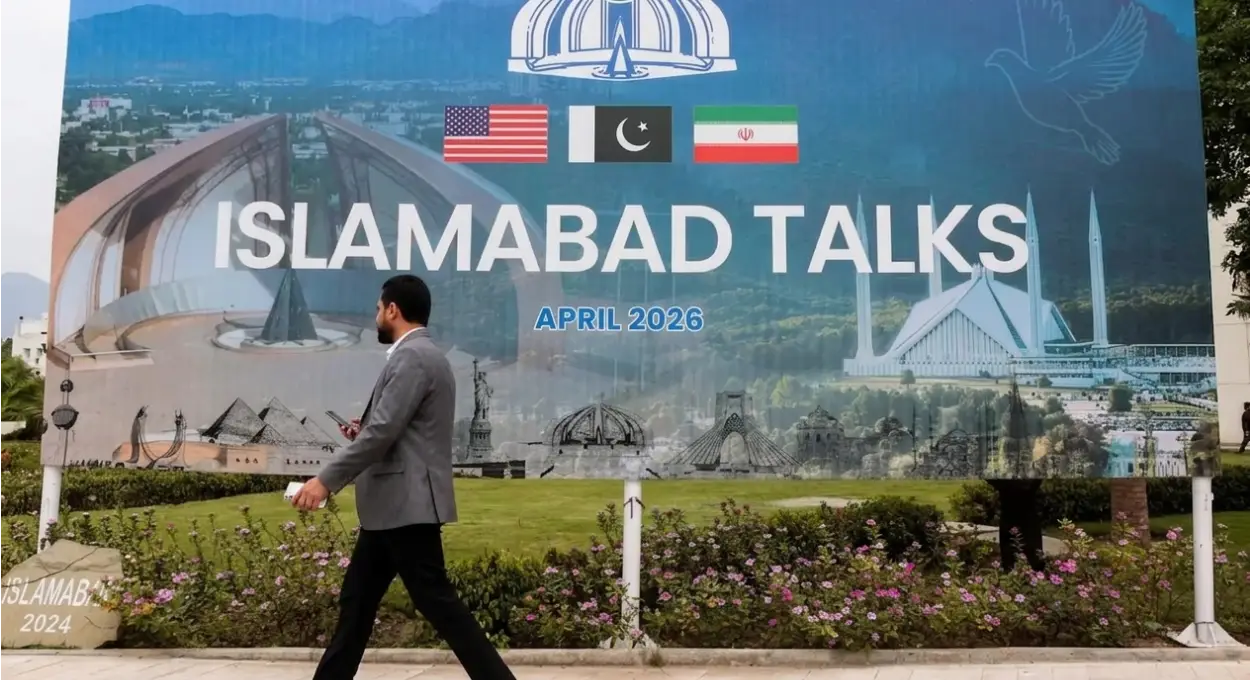
Pakistani Interior Minister Mohsin Naqvi arrived in Tehran Saturday in a continued effort to facilitate peace talks between Iran and the US — talks that remain stalled despite the fragile April 8 ceasefire still technically holding.
His visit followed that of Pakistan's military chief, Field Marshal Asim Munir, who was in Tehran just days earlier.
Islamabad has positioned itself as the primary neutral intermediary between Washington and Tehran — but progress has been limited, and both sides remain far apart on their core demands.
USS Gerald R Ford Returns Home After Record Deployment
The USS Gerald R Ford — the world's largest aircraft carrier — docked in Virginia on Saturday after an 11-month deployment — the longest carrier deployment since the Vietnam War.
The mission covered two major operations: supporting the US-Israel war on Iran, and the capture of Nicolas Maduro when he was Venezuela's president.
US Naval Blockade: Current Status
The US military confirmed Saturday that its forces have:
Redirected: 78 commercial ships away from Iranian ports
Disabled: Four vessels during the ongoing blockade of Iranian waters
The blockade — launched April 13 — continues to cut Iran off from international maritime trade while simultaneously preventing global shipping from using Iranian ports as transit points.
Lebanon: 100 Sites Struck Despite Ceasefire Extension
Israel's Air Campaign Continues
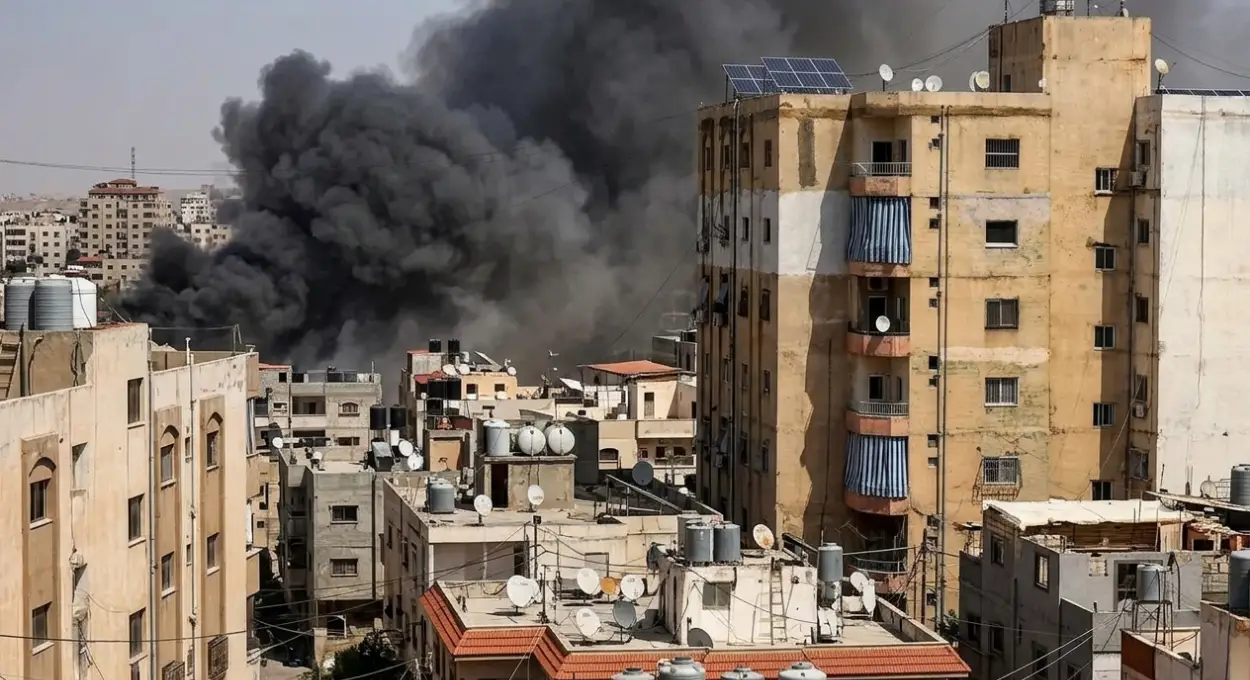
Israel attacked 100 sites across southern Lebanon over two days — even as both countries agreed to extend their ceasefire by an additional 45 days following talks in Washington.
The US State Department confirmed the extension Friday. Israel's military confirmed one of its soldiers was killed in combat in southern Lebanon Saturday — bringing total Israeli personnel losses since the escalation began on March 2 to 21.
The Lebanon Ceasefire in Numbers
Duration extended: 45 additional days — agreed after Washington talks
Sites struck by Israel: 100 over two days — despite the ceasefire being in place
Israeli military deaths: 21 since March 2 escalation
Latest attack: Air strike on Zawtar al-Sharqiyah in southern Lebanon Saturday
The pattern — ceasefire agreed, bombardment continuing — has become a recurring feature of Israel's Lebanon campaign since the March escalation began.
Iran's World Cup Squad Heads to Türkiye
In a reminder that life continues alongside war, Iran's World Cup squad will travel to Türkiye on Monday for a training camp, friendly matches, and visa processing ahead of their journey to the United States for the 2026 tournament.
Head coach Amir Ghalenoei confirmed the schedule — a logistical operation made considerably more complex by the ongoing conflict between Iran and the country hosting the World Cup.
What Happens Next: Three Scenarios
With Iran formalising Hormuz control, Pakistan mediating, and Trump issuing warnings, day 79 sets up three possible near-term directions.
Scenario 1: Hormuz Toll Plan Accelerates Diplomacy
Iran's formal toll announcement gives both sides a concrete framework to negotiate around. Pakistan brokers a preliminary agreement on Hormuz access. The US eases blockade pressure in exchange for Iranian cooperation. Peace talks resume with new momentum.
Scenario 2: Trump Acts on His Warning
Iran's toll plan is interpreted in Washington as a permanent seizure of international waters. Trump authorises resumed military strikes. The April 8 ceasefire collapses. Day 79 becomes the last day of the ceasefire period.
Scenario 3: European Deals Bypass US Pressure
European and East Asian nations finalise transit agreements with Iran directly — effectively normalising the toll system without US approval. Washington's blockade becomes less effective as global shipping adapts to Iran's new Hormuz framework. The US faces a choice between escalating further or accepting a changed maritime reality.
Sign up for ContentNest
Join the ContentNest Community
Subscribe to receive our latest articles, trending stories, and weekly insights directly in your inbox.
By signing up, you agree to our Privacy Policy