
Israel Intercepts Gaza Aid Flotilla in International Waters
Israeli forces boarded and intercepted vessels from the Global Sumud Flotilla 250 miles from Gaza in international waters Monday — as activists lost contact with one boat.
KEY TAKEAWAYS
Israeli forces boarded multiple vessels from the Global Sumud Flotilla in international waters — approximately 250 miles from Gaza — on Monday
The flotilla departed from the Turkish port city of Marmaris last week with more than 50 vessels
Contact was lost with one vessel — the Munki — after organisers reported it came under attack and close harassment by Israeli military boats
Israeli media reported activists were being detained and transferred to a navy ship — to be taken to the Israeli port of Ashdod
Israel's Foreign Ministry issued a warning before the interceptions — telling the flotilla to "change course and turn back immediately"
Netanyahu was expected to authorise the military to seize vessels attempting to breach Gaza's naval blockade
Israel has maintained a blockade on Gaza since 2007 — rights groups call it collective punishment against the civilian population
Israel Boards Gaza Aid Flotilla 250 Miles Out — in International Waters
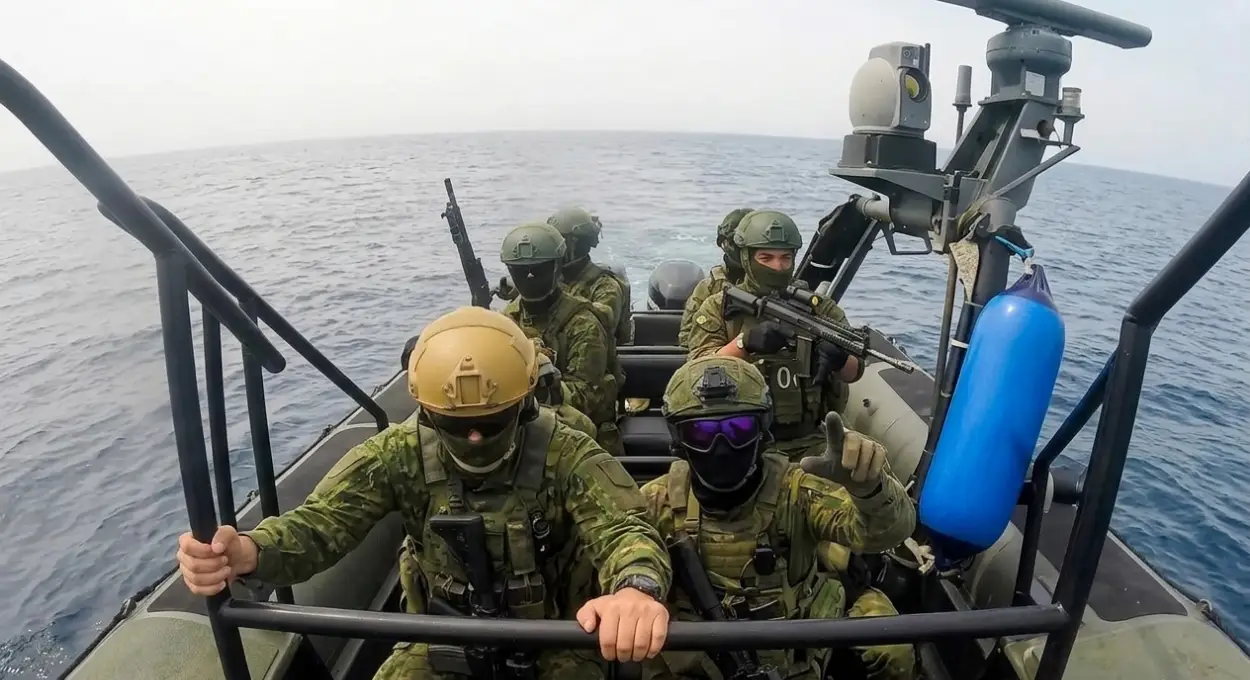
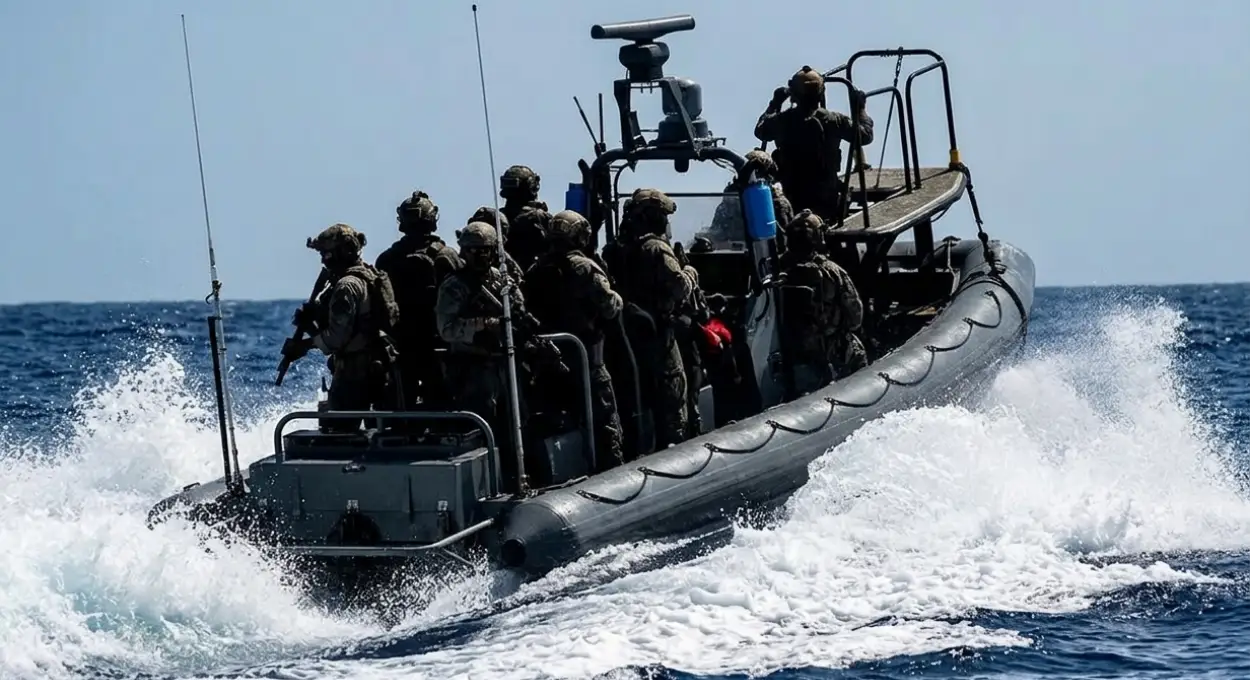
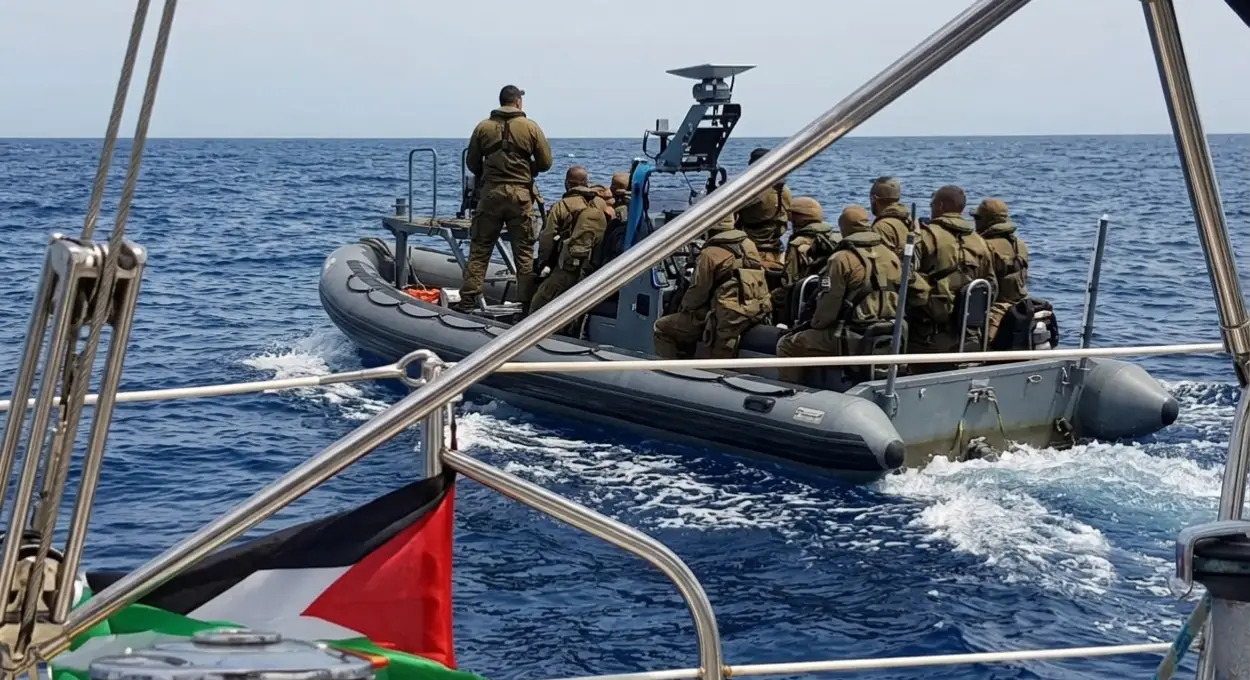
Israeli military forces intercepted and boarded multiple vessels from the Global Sumud Flotilla on Monday — stopping the international aid convoy in international waters approximately 250 miles from the Gaza Strip — as organisers reported losing contact with one of their boats and footage emerged showing Israeli personnel climbing aboard the ships.
"250 miles from Gaza, in international waters, Israel is preparing to attack the Global Sumud Flotilla," organisers said in a statement posted on social media shortly before the interceptions began.
What Is the Global Sumud Flotilla?
The Global Sumud Flotilla is an international campaign organised to challenge Israel's naval blockade of Gaza — attempting to deliver aid directly to the besieged Palestinian enclave by sea.
More than 50 vessels departed from Marmaris — a port city on Turkey's southwestern coast — last week in what organisers described as the final leg of a journey aimed at breaking the blockade and delivering humanitarian supplies to Gaza's civilian population.
The word "Sumud" is Arabic for steadfastness — a deliberate choice that frames the mission as an act of principled resistance to the siege.
The Interceptions: What Happened on Monday
Israeli Forces Board Multiple Vessels
Israeli military personnel boarded several flotilla vessels off the coast of Cyprus as the convoy attempted to push through toward Gaza.
Video footage shared by the organisers captured the moment Israeli forces approached and boarded the boats — activists filming the interception as it unfolded in real time.
The Munki Goes Silent
The Turkish branch of the flotilla campaign — Global Sumud Filosu Turkiye — reported that one of its vessels, the Munki, came under direct attack and sustained close harassment from Israeli military boats.
"The flotilla's vessel Munki has been attacked by the occupying Israeli forces. We have currently lost contact with the vessel," the group posted on X Monday.
No further details on the Munki's status or the welfare of those on board were immediately available.
Israel's Warning — Then the Move
About an hour before the interceptions began, Israel's Ministry of Foreign Affairs issued a direct warning to the flotilla.
"Change course and turn back immediately," the ministry said in a statement — leaving no ambiguity about what would follow if the convoy continued.
The flotilla did not turn back. Israeli forces moved in shortly after.
Israeli public broadcaster Kan reported that Prime Minister Benjamin Netanyahu was expected to formally authorise the military to prevent the flotilla from reaching Gaza and to seize any vessel attempting to breach the naval blockade.
What Happened to the Activists
Israeli newspaper Yedioth Ahronoth reported that the military had detained activists from the boarded vessels and was transferring them to an Israeli navy ship — from which they would later be transported to the Israeli port of Ashdod.
The claims could not be independently verified, and there was no immediate official comment from the Israeli military.
Gaza's Blockade: The Context Behind the Flotilla
Israel has maintained a naval blockade on Gaza since 2007 — justifying it as a necessary measure to prevent weapons from reaching Hamas and other armed groups in the enclave.
Rights groups and humanitarian organisations have consistently rejected that framing — describing the blockade as collective punishment imposed on Gaza's entire civilian population, restricting food, medicine, fuel, and construction materials alongside any potential weapons.
The flotilla's interception comes as Gaza's humanitarian situation continues to deteriorate — with the Health Ministry reporting at least 72,760 Palestinians killed since October 7, 2023, and aid organisations warning of catastrophic food insecurity across the strip.
What Happens Next: Three Scenarios
With vessels boarded, one ship silent, and activists reportedly in Israeli custody, Monday's interception faces three possible outcomes.
Scenario 1: Activists Deported, Flotilla Attempt Ends
Detained activists are taken to Ashdod and deported. Vessels are held or returned. The flotilla mission is halted without reaching Gaza. Organisers vow a future attempt — the blockade holds intact.
Scenario 2: International Diplomatic Fallout
Turkey — whose port launched the flotilla and whose vessel was reportedly attacked — escalates its diplomatic response. Other participating countries demand consular access for detained nationals. The incident triggers a broader international confrontation over the legality of Israel's actions in international waters.
Scenario 3: Flotilla Breaks Through
Some vessels evade interception and reach Gaza's waters. A standoff develops at the shore. International media coverage of a direct humanitarian delivery attempt forces a political response from both Israel and its Western allies.
Sign up for ContentNest
Join the ContentNest Community
Subscribe to receive our latest articles, trending stories, and weekly insights directly in your inbox.
By signing up, you agree to our Privacy Policy