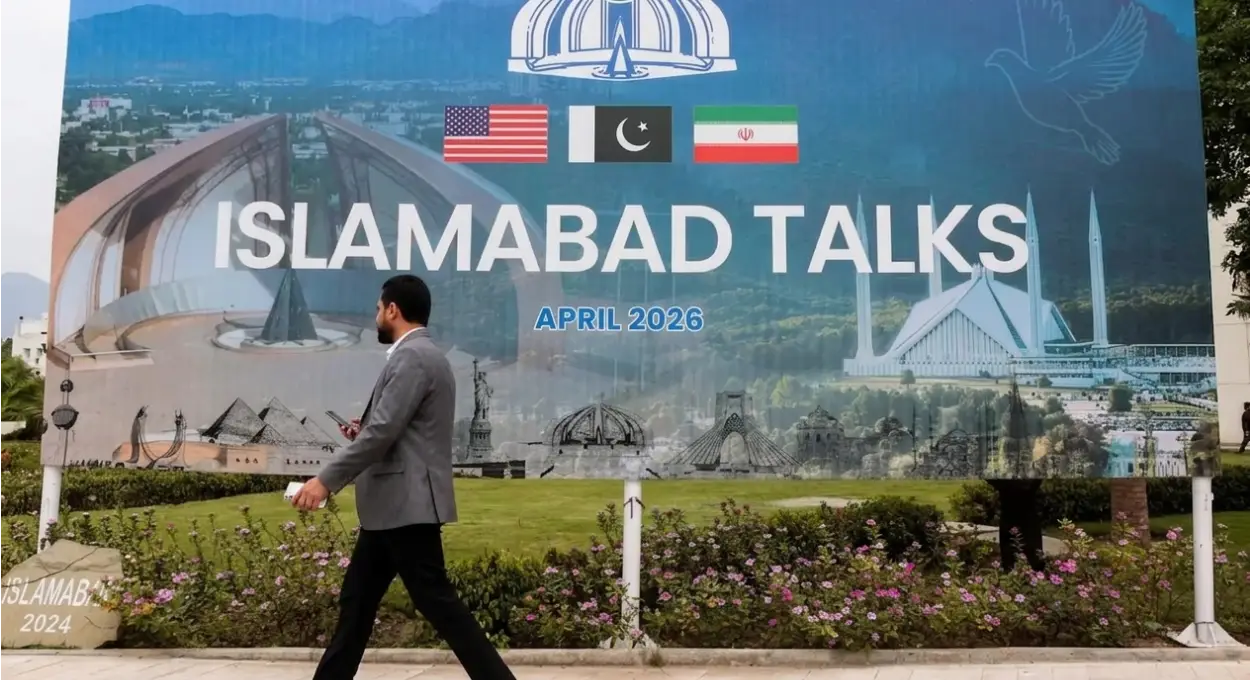
MV Touska Crew Freed: Pakistan Lands 22 Iranian Sailors
Pakistan repatriates 22 MV Touska crew seized by US naval blockade forces, as Iran threatens to attack Project Freedom mission entering the Strait of Hormuz.
KEY TAKEAWAYS
22 Iranian crew members of seized ship MV Touska flown to Pakistan Sunday night for repatriation to Iran.
Pakistan brokered the transfer as a US confidence-building measure under its ongoing ceasefire mediation role.
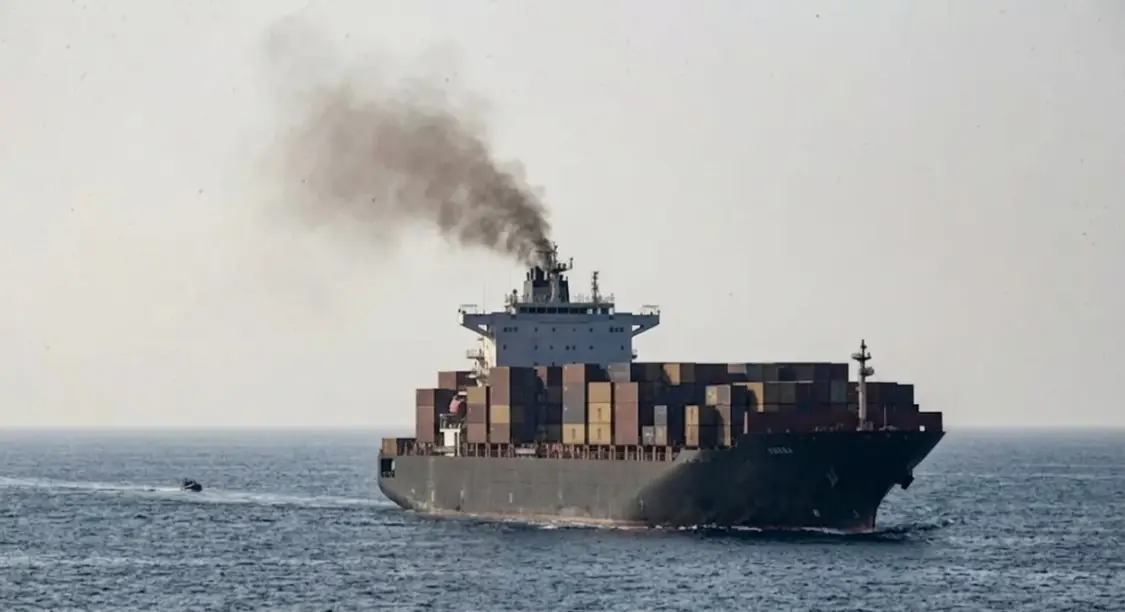
The MV Touska was seized April 19 in the Gulf of Oman for violating the US naval blockade on Iranian ports.
Six family members of crew were separately repatriated to a regional country the previous week.
Iran has threatened military strikes on US forces attempting to enter the Strait of Hormuz under Trump's "Project Freedom" mission.
Pakistan Lands 22 MV Touska Sailors as US-Iran Hormuz Standoff Deepens
Twenty-two Iranian crew members from the US-seized cargo ship MV Touska were flown to Pakistan on Sunday night and are set to be handed over to Iranian authorities — a move Islamabad described as a confidence-building step in its fragile mediation between Washington and Tehran.
Pakistan's Ministry of Foreign Affairs confirmed the transfer Monday, stating the crew evacuation was carried out with coordination from both the Iranian and US sides.
What Happened: The MV Touska Seizure
US Central Command forces boarded and seized the MV Touska on April 19 off Iran's Chabahar port in the Gulf of Oman.
CENTCOM stated the vessel — a sanctioned ship operating under the Islamic Republic of Iran Shipping Lines (IRISL) — ignored repeated warnings over six hours before being intercepted for breaching the US naval blockade on Iranian ports.
Incident Facts at a Glance
Ship: MV Touska — Iranian-flagged container vessel, IRISL group
Seized: April 19, 2026 — Gulf of Oman, off Chabahar port
Crew transferred: 22 sailors flown to Pakistan, Sunday night
Additional passengers: 6 family members repatriated to a regional country the prior week
Ship status: Being returned to original owners after repairs in Pakistani waters
Iran's position: Condemned seizure as unlawful, demanded immediate release
Pakistan's Role: More Than a Transit Point
Islamabad is not simply facilitating logistics — it is operating as the primary diplomatic bridge between two nuclear-armed adversaries.
Pakistan brokered the fragile ceasefire that partially halted the US-Israeli military campaign against Iran four weeks ago, after the conflict began in February. The MV Touska crew transfer is the latest signal that this mediation channel remains active.
"Pakistan welcomes such confidence-building measures and will continue to facilitate dialogue and diplomacy while pursuing ongoing mediation efforts for regional peace and security," the Foreign Ministry stated.
What Happens to the Ship?
The MV Touska will be backloaded to Pakistani territorial waters
The vessel requires necessary repairs before handover to its owners
The process is being coordinated with both Washington and Tehran
CENTCOM Confirms the Transfer
US Central Command spokesperson Captain Tim Hawkins confirmed the operation directly.
"US forces completed the transfer of 22 crew members of M/V Touska to Pakistan for repatriation," Hawkins said,
adding that six passengers — identified by Iranian state media as crew family members — had already been sent to a regional country the week prior.
"Custody of Touska is currently being transferred back to its original ownership after the ship was intercepted and seized when attempting to violate the US naval blockade against Iran last month," he said.
Iran's Response: Silence on Crew, Threat on Hormuz
Iranian authorities had not issued any official comment on the crew repatriation at the time of publication.
Iran's semi-official Tasnim news agency — linked to the Islamic Revolutionary Guard Corps (IRGC) — republished Pakistan's Foreign Ministry statement without additional commentary.
However, Iran's military delivered a direct warning Monday on a separate front: it will strike US forces if they attempt to approach or enter the Strait of Hormuz.
Project Freedom vs. Iran's Red Line
The threat came in direct response to US President Donald Trump's announcement of a naval mission called "Project Freedom" — designed to escort stranded commercial vessels out of the Strait of Hormuz.
Tehran's military has drawn an explicit line: any US naval approach to the waterway will be treated as a hostile act.
This places the MV Touska crew transfer — a rare moment of US-Iran cooperation — against the backdrop of an increasingly confrontational standoff over the world's most critical energy corridor.
Why the Strait of Hormuz Changes Everything
The Strait of Hormuz carries 20% of global oil and LNG supply daily through a channel just 33km wide at its narrowest point.
Washington and Tehran have been locked in competing naval blockades since April 13 — the US blocking Iranian ports, Iran restricting commercial passage through Hormuz since February 28 — creating a dual-blockade crisis with no modern parallel in maritime history.
A breakdown in Pakistan's mediation, or a miscalculation under Project Freedom, could push an already volatile situation into direct military confrontation.
Future Outlook: Three Scenarios
With US-Iran negotiations stalled and Tehran issuing military warnings, the near-term trajectory remains unpredictable.
Pakistan's mediation role is the single active diplomatic thread keeping both sides from direct escalation — but that thread is under pressure.
What Could Happen Next:
Stalemate holds — Crew transfers and confidence measures continue at a slow pace; Hormuz tensions stay elevated
Escalation — Project Freedom mission triggers Iranian military response; full naval confrontation erupts
Diplomatic breakthrough — Pakistan-brokered deal produces formal agreement; blockades lifted and Hormuz reopened
Sign up for ContentNest
Join the ContentNest Community
Subscribe to receive our latest articles, trending stories, and weekly insights directly in your inbox.
By signing up, you agree to our Privacy Policy